August 22, 2026
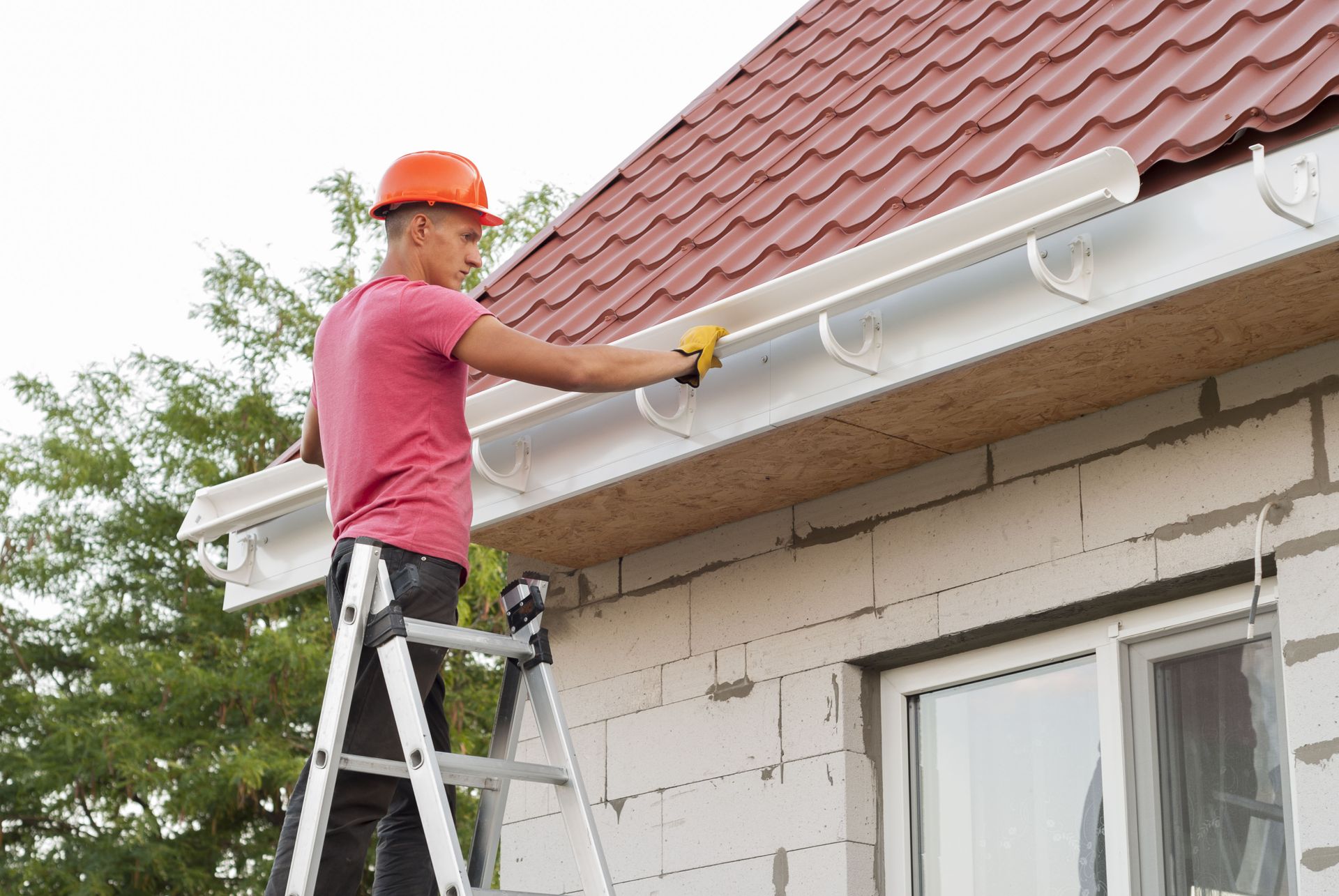
A roof does more than shield a home from sunlight, wind, and rain because it also plays an important role in directing water away from the structure. Without an effective drainage system, rainfall can collect along roof edges and create problems for siding, foundations, landscaping, and other exterior features. Gutters provide a controlled pathway that carries runoff toward downspouts and away from vulnerable areas around the home. When this system is properly sized, installed, and maintained, it can help preserve the condition of several important components. Homeowners considering improvements to their roofing system can benefit from understanding how these drainage features work together. Working with local roofing companies can also make it easier to determine whether an existing gutter system is suitable for the home's roof design. A well-maintained combination of roofing and drainage can contribute to better protection during both routine rainfall and severe weather.
Understand How Roofs Collect Rainwater
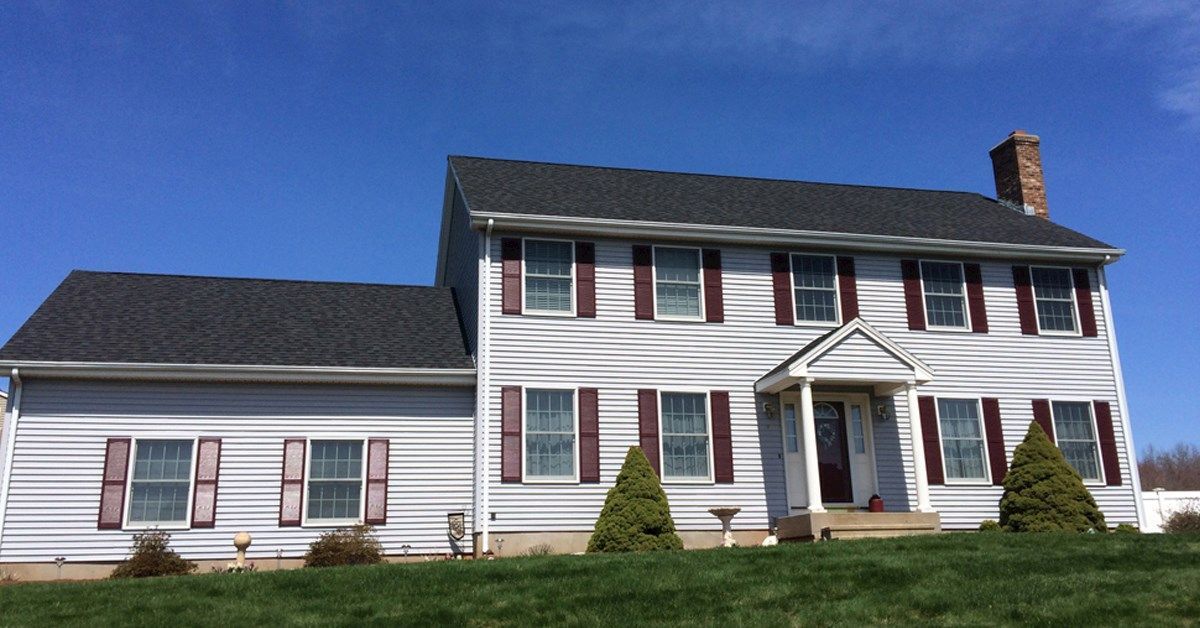
Every roof collects water differently depending on its dimensions, shape, pitch, and design features. According to Home Advisor, the size of a roof is generally around 1.1 to 1.2 times the home's square footage, although the exact amount depends on its shape and slope. This larger surface area means a roof can collect substantial amounts of rainfall during even a single storm. Without gutters, that water can pour directly from the roof edge onto the ground below. Local roofing companies can evaluate the roof's layout to determine how runoff moves across its different sections. Valleys, dormers, extensions, and multiple rooflines can create areas where water needs to be directed carefully. Understanding these characteristics helps homeowners recognize why a simple drainage solution may not always be adequate for every property. Proper planning ensures that the gutter system works with the roof instead of allowing runoff to accumulate in vulnerable locations.
Protect Exterior Walls From Runoff
Water falling directly from a roof can repeatedly strike siding, trim, windows, and exterior walls. Over time, constant exposure to runoff may contribute to staining, deterioration, peeling finishes, or moisture intrusion. Gutters collect water along the roofline and prevent much of that runoff from cascading down the side of the house. This controlled movement helps keep exterior surfaces drier during regular rainfall. Local roofing companies may also identify areas where existing gutters fail to cover portions of the roof that generate substantial runoff. Properly positioned downspouts can move collected water toward safer discharge points rather than allowing it to remain beside the walls. Maintaining clean channels is equally important because blocked gutters can cause water to overflow against the exterior. By managing runoff effectively, homeowners can help preserve siding and other exterior materials for longer periods.
Reduce Foundation Moisture Risks
The ground immediately surrounding a home can become saturated when large amounts of roof runoff repeatedly fall in one location. Water accumulating near the foundation may eventually find pathways through cracks, joints, or other vulnerable areas. A functional gutter system helps reduce this risk by moving rainfall away from the perimeter of the structure. Downspout extensions can be particularly useful when the natural grading of a property does not carry water far enough from the foundation. Local roofing companies can assess the relationship between roof drainage and the home's exterior when determining whether modifications are necessary. Keeping discharge points away from foundation walls can also help reduce erosion and standing water around the property. Homeowners should inspect areas beneath downspouts after heavy storms to see whether water is collecting excessively. Redirecting runoff before it becomes a recurring issue can support better protection for the foundation and lower levels of the home.
Prevent Landscape Erosion
Roof runoff can affect landscaping just as easily as it affects the home itself. Water dropping from roof edges can wash away soil, disturb mulch, expose plant roots, and create channels in garden beds. Concentrated runoff may also move decorative stones or damage areas where plants are already struggling with unstable soil. Gutters provide a way to collect that water and release it through designated discharge locations. Local roofing companies can help homeowners consider downspout placement when landscaping features are located close to the exterior walls. Rain barrels, drainage systems, splash blocks, and extensions may provide additional options for managing collected water. Proper drainage can help maintain the appearance of flower beds, lawns, walkways, and other outdoor features. Preventing unnecessary erosion also reduces the amount of maintenance required after repeated storms. A thoughtful drainage design therefore protects both the structure and the surrounding landscape.
Support Roof Drainage Efficiency
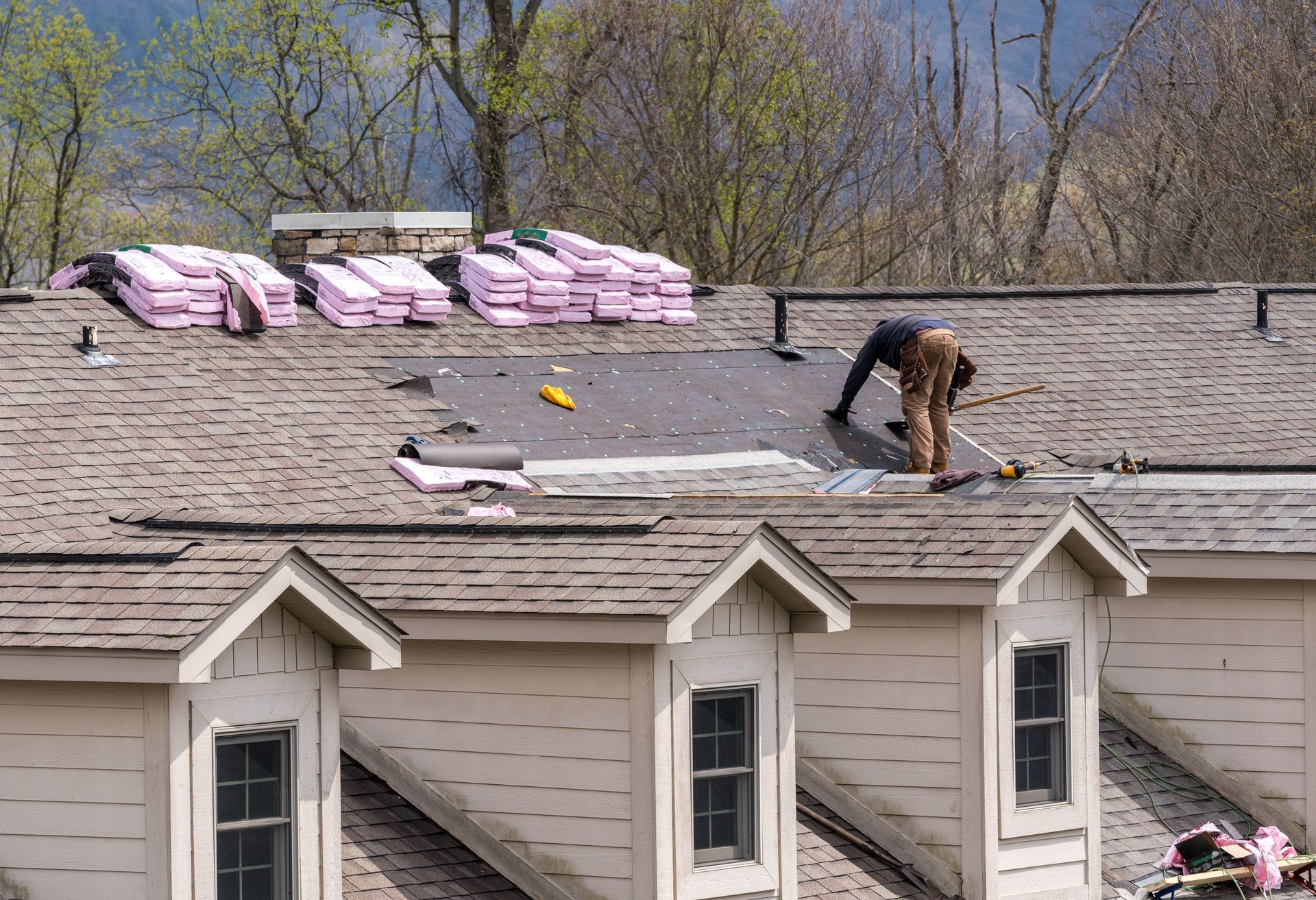
Gutters cannot replace a properly functioning roof, but they are an important part of the overall drainage system. Water must first travel across the roof surface toward its edges before entering the gutter channels. Damaged shingles, improperly installed flashing, or blocked valleys can interfere with this process and cause water to move in unintended directions. Local roofing companies can inspect these areas while evaluating whether the roof and gutter system are working together correctly. Gutter pitch also matters because channels need enough slope to encourage water to flow toward downspouts. If sections sag or become misaligned, water may remain trapped instead of leaving the roofline efficiently. Standing water inside a gutter can add unnecessary weight and increase the possibility of overflow during heavier rainfall. Keeping both roofing and drainage components in good condition creates a more coordinated system for managing stormwater.
Avoid Overflow and Hidden Problems
Clogged gutters are one of the most common reasons a drainage system fails when homeowners need it most. Leaves, twigs, dirt, roofing granules, and other debris can accumulate inside the channels and restrict the movement of water. During a heavy storm, blocked gutters may overflow over the front edge or back toward the roofline. Repeated overflow can contribute to staining, saturated exterior materials, erosion, and moisture-related problems around the home. Local roofing companies can inspect gutters for blockages, sagging sections, loose fasteners, and other conditions that interfere with proper performance. Homeowners should also schedule routine cleaning, particularly when trees near the property shed significant amounts of leaves. Installing appropriate gutter guards may help reduce debris accumulation, although these products still require periodic inspection and maintenance. A drainage system performs best when water has a clear path from the roof to the designated discharge area.
Maintain the Complete Drainage System
A gutter system requires ongoing attention because even well-installed components can develop problems as the property ages. Seasonal inspections can reveal loose connections, separated seams, damaged downspouts, or sections that no longer maintain the correct slope. Local roofing companies can evaluate these conditions and determine whether repairs or replacement would provide the most practical solution. Homeowners should also examine areas around downspout outlets for soil erosion, pooling, or other signs that water is not being directed effectively. Cleaning gutters before periods of heavy rainfall can reduce the likelihood of sudden overflow. It is also useful to check whether nearby landscaping has changed in ways that now interfere with drainage paths. Trees can grow toward rooflines, new garden beds can alter grading, and additions can change how water moves around the property. Keeping the entire system maintained helps ensure that the gutters continue supporting the roof and protecting the surrounding structure.
A gutter system works best when it is treated as part of the home's complete exterior protection rather than as an isolated accessory. The roof collects rainfall, gutters capture runoff, downspouts transport it, and the surrounding property determines where that water ultimately goes. Problems in any one of these areas can reduce the effectiveness of the entire system. Homeowners should therefore consider roof condition, gutter capacity, downspout placement, soil grading, and drainage patterns when evaluating their property's water management. Regular inspections can help reveal small concerns before they develop into more complicated exterior repairs. Local roofing companies can provide valuable guidance when a home needs a new gutter system, roof assessment, or improvements to existing drainage. Turner Sons Roofing Siding can help homeowners evaluate roofing and exterior drainage needs with solutions designed around the property. Contact us today to discuss your roof and gutter system and take steps toward protecting your home from the effects of uncontrolled rainwater.