October 27, 2026
Your home's roof plays an important role in protecting your property from rain, snow, wind, and changing temperatures. It also contributes to indoor comfort, energy efficiency, and the overall condition of your home. However, constant exposure to the elements can gradually wear down roofing materials, making regular maintenance and timely repairs essential.
Taking care of a roof involves more than addressing problems when they appear. From choosing a roofing company to scheduling inspections and preparing for replacement, each stage requires attention. Understanding how to manage your roof throughout its lifecycle can help you recognize potential problems, avoid unnecessary damage, and plan for future expenses.
Choose a Qualified Roofing Company
Finding a reliable roofing company is an important first step in maintaining your roof. Whether you need a minor repair or a complete replacement, working with experienced professionals can help ensure the project is handled properly.
Start by researching local contractors and reviewing their qualifications. Licensing requirements vary by location, so confirm that the company meets applicable regulations and carries appropriate insurance. These credentials can provide reassurance that the contractor is prepared to perform roofing work responsibly.
Experience is another important consideration. Roofing systems vary in design, slope, and material, and not every contractor works with the same types. Ask potential contractors about their previous projects, the materials they install, and their experience with roofs similar to yours.
Customer reviews can also offer useful insight. Look for consistent feedback about communication, reliability, workmanship, and project completion. Recommendations from friends, family members, or neighbors who have recently completed roofing projects may help narrow your options.
Before making a decision, request a written estimate that outlines the proposed work, materials, and anticipated timeline. A dependable contractor should explain its recommendations and answer questions clearly. Comparing estimates can help you understand the differences between proposed services rather than making a decision based on price alone.
Schedule Regular Roof Inspections
Routine inspections help homeowners understand the condition of their roofs and identify concerns before they develop into larger problems. Although some damage is visible from the ground, other issues may require a closer professional evaluation.
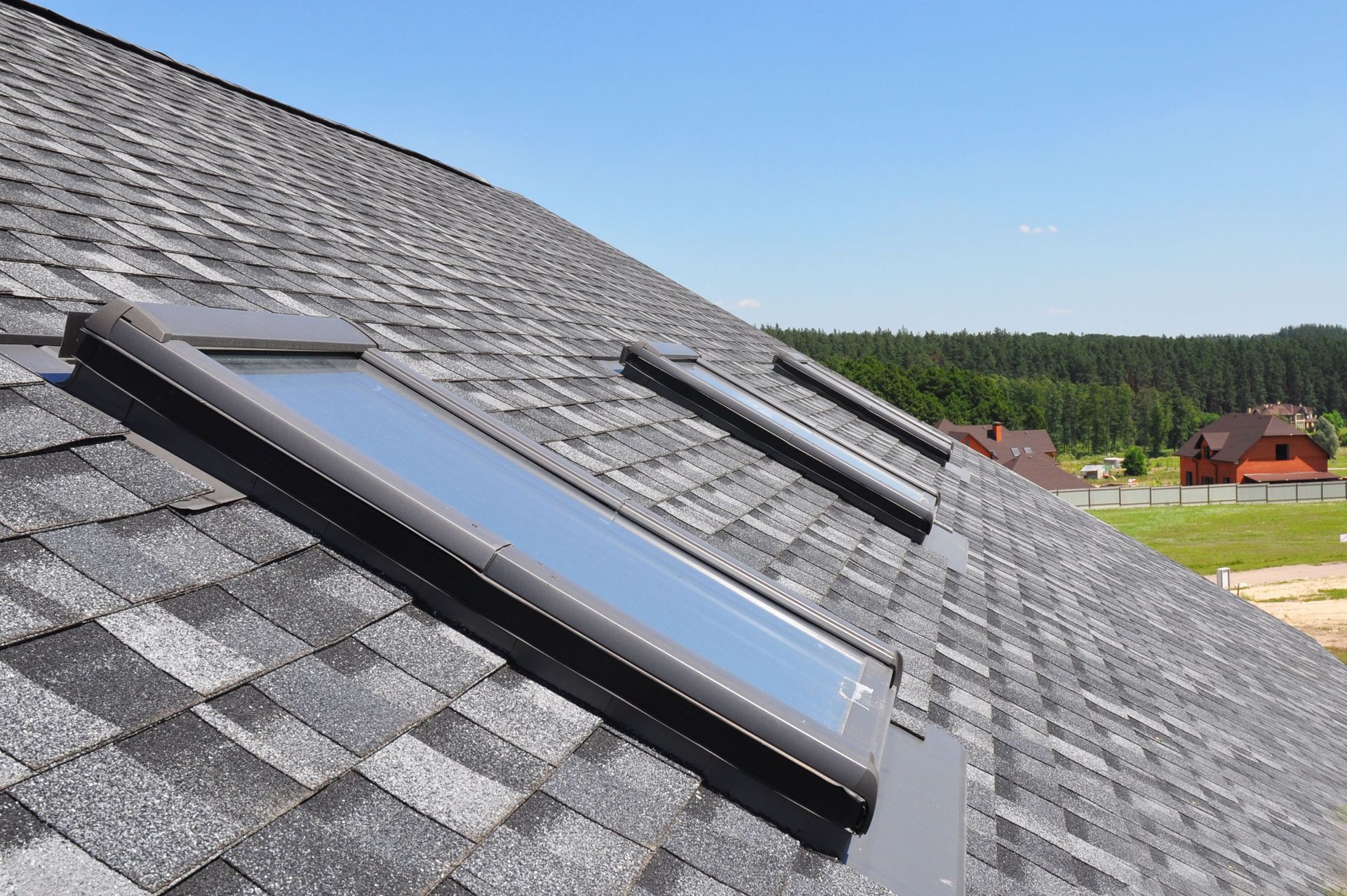
A roofing company can inspect shingles, flashing, vents, gutters, and other components for signs of deterioration. Missing shingles, loose materials, damaged flashing, and areas of unusual wear may indicate that repairs are necessary.
Inspections are particularly useful after severe weather. Strong winds can loosen roofing materials, while hail and falling debris may cause damage that is difficult to recognize without professional assistance. Even when the roof appears intact, hidden damage could affect its performance over time.
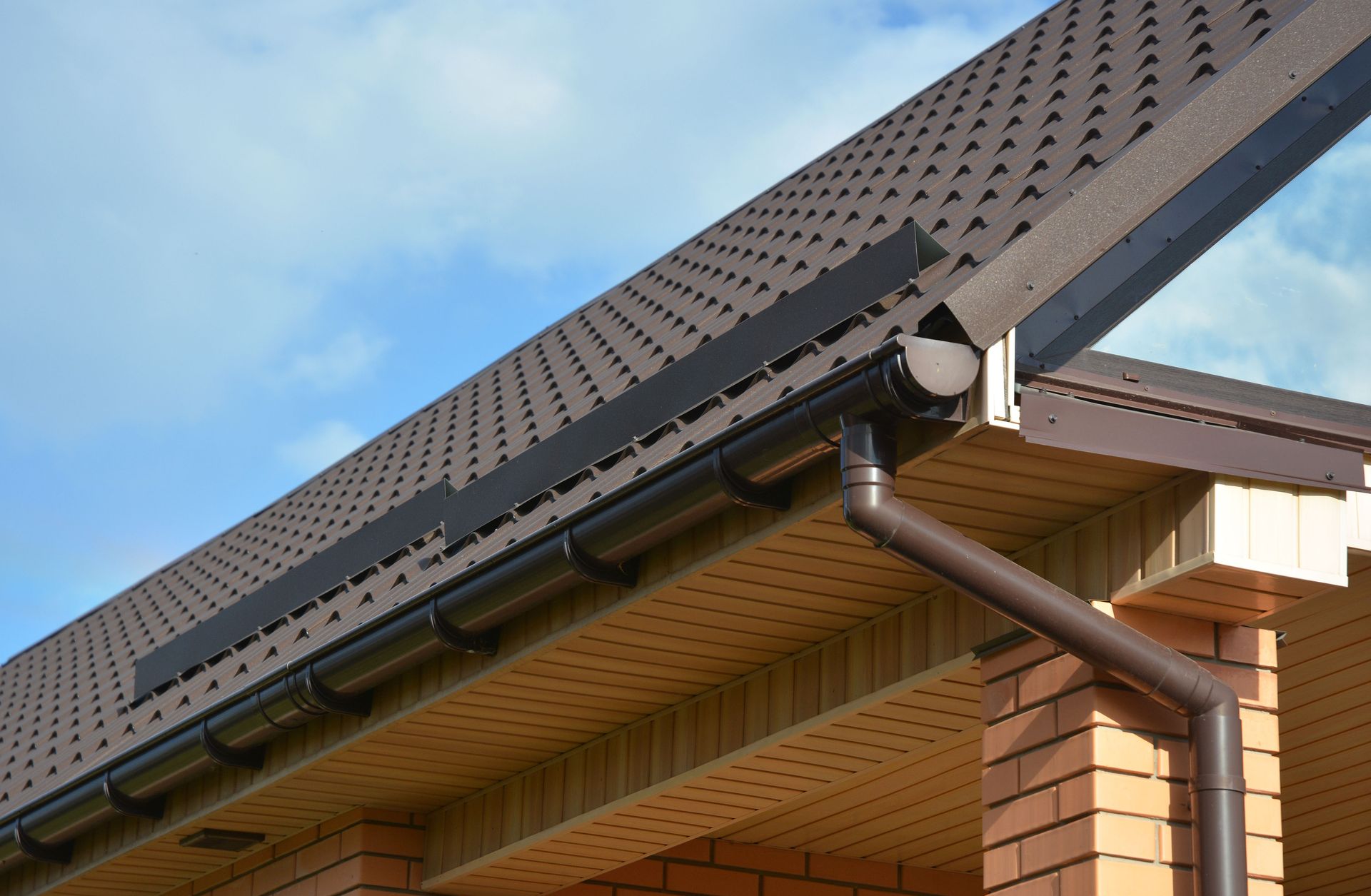
Drainage is another important consideration. Gutters and downspouts help direct rainwater away from the roof and foundation. When these components become clogged with leaves or debris, water may accumulate in areas where prolonged moisture exposure can cause damage.
Professional inspections can also help homeowners establish a maintenance history. Keeping records of repairs, inspections, and previous roofing work makes it easier to track recurring problems and understand how the roof's condition changes over time.
Recognize When Your Roof Needs Replacement
Every roof eventually reaches the end of its useful life. While many roofing problems can be resolved through repairs, extensive deterioration or recurring leaks may indicate that replacement is the more practical option.
One common warning sign is visible damage to roofing materials. Missing shingles, cracked surfaces, curling edges, and widespread deterioration can reduce the roof's ability to protect your home. Although isolated damage may be repairable, problems affecting large sections of the roof deserve professional evaluation.
Water intrusion is another concern. Stains on ceilings, damp attic insulation, and repeated leaks may suggest that moisture is entering the home. Because water can travel before becoming visible indoors, identifying the source often requires a detailed inspection.
The age of your roof also matters. According to RubyHome, the average roof can last between 20 and 50 years, depending on the roofing material and its quality. However, actual service life varies based on installation methods, climate, ventilation, maintenance, and exposure to severe weather.
A qualified roofing company can evaluate these factors and explain whether targeted repairs or a complete replacement would better address the roof's condition. This assessment helps homeowners make decisions based on the actual state of their roofing systems.
Prepare for the Roof Replacement Process
Replacing a roof is a major home improvement project, but understanding the process can make planning easier. Preparation begins with a professional assessment of the existing roofing system and a discussion of suitable replacement materials.
Homeowners should consider several factors when selecting roofing materials, including durability, appearance, maintenance requirements, and compatibility with the home's structure. Local weather conditions may also influence which materials are appropriate.
Before construction begins, the contractor should explain the project schedule, anticipated disruptions, and any preparation requirements. Homeowners may need to move vehicles away from the work area, secure outdoor furniture, and protect fragile belongings from vibrations caused by construction.
The replacement process often begins with removing the existing roofing materials. Once these materials are removed, contractors can inspect the underlying roof deck for moisture damage, deterioration, or other concerns.
If damaged decking is discovered, repairs may be necessary before installation continues. Addressing these conditions helps provide a suitable foundation for the new roofing materials.
Next, the contractor installs the components required for the roofing system. Depending on the roof's design, these may include underlayment, flashing, ventilation components, and the selected roofing material.
Each component serves a purpose. Underlayment provides an additional protective layer, flashing helps direct water away from vulnerable connections, and ventilation supports airflow through appropriate roof spaces.
After installation, the contractor should inspect the completed work and remove construction debris. Homeowners can also request information about warranties, maintenance recommendations, and any documentation associated with the project.
Maintain Your Roof to Extend Its Service Life
Proper maintenance can help preserve roofing materials and reduce the likelihood of avoidable damage. Although no maintenance routine can eliminate every roofing problem, consistent attention makes it easier to identify developing concerns.
Begin by monitoring the roof's visible condition from the ground. Missing shingles, unusual sagging, accumulated debris, or changes in the roofline may indicate that professional attention is needed. Avoid climbing onto the roof to investigate potential damage, as roofing surfaces can present serious fall hazards.
Gutters also require attention throughout the year. Leaves, branches, and other debris can interfere with drainage, allowing water to collect near roofing components. Keeping gutters clear helps support proper water movement during rainfall.
Prompt repairs are equally important. Loose flashing, damaged shingles, and minor leaks can worsen with continued exposure to moisture and temperature changes. Addressing these concerns early may help prevent damage to surrounding materials.
Scheduling periodic inspections with a roofing company provides an opportunity to evaluate areas that homeowners cannot safely or easily examine themselves. These assessments are especially valuable for aging roofs and properties frequently exposed to severe weather.
Maintaining records of completed work can also support long-term planning. Documentation helps homeowners track repairs, understand recurring concerns, and determine when additional maintenance or replacement may be appropriate.
Protect Your Home With Long-Term Roof Care
Managing a roof throughout its lifecycle requires a combination of regular inspections, timely repairs, and thoughtful replacement planning. Paying attention to visible warning signs and addressing problems promptly can help homeowners protect their properties and avoid unexpected complications.
Working with experienced professionals also makes it easier to understand your roof's condition and determine which services are appropriate. Whether your roof needs routine maintenance, storm damage repairs, or a complete replacement, professional guidance can help you make informed decisions.
For assistance with your roofing needs, contact Turner & Sons Roofing & Siding LLC today to discuss your roof's condition and available service options.