October 16, 2026
Gutters play an important role in protecting a home from rainwater and runoff. When they function properly, they help move water away from the roof, siding, foundation, and surrounding landscape. Regular professional attention can also identify problems before they develop into more expensive structural concerns. For homeowners, gutter care should be viewed as part of a broader property maintenance strategy. A reliable local roofing service can inspect the relationship between the roof and gutter system, identify areas of concern, and recommend appropriate repairs or replacements when needed.
How Gutters Protect Your Home
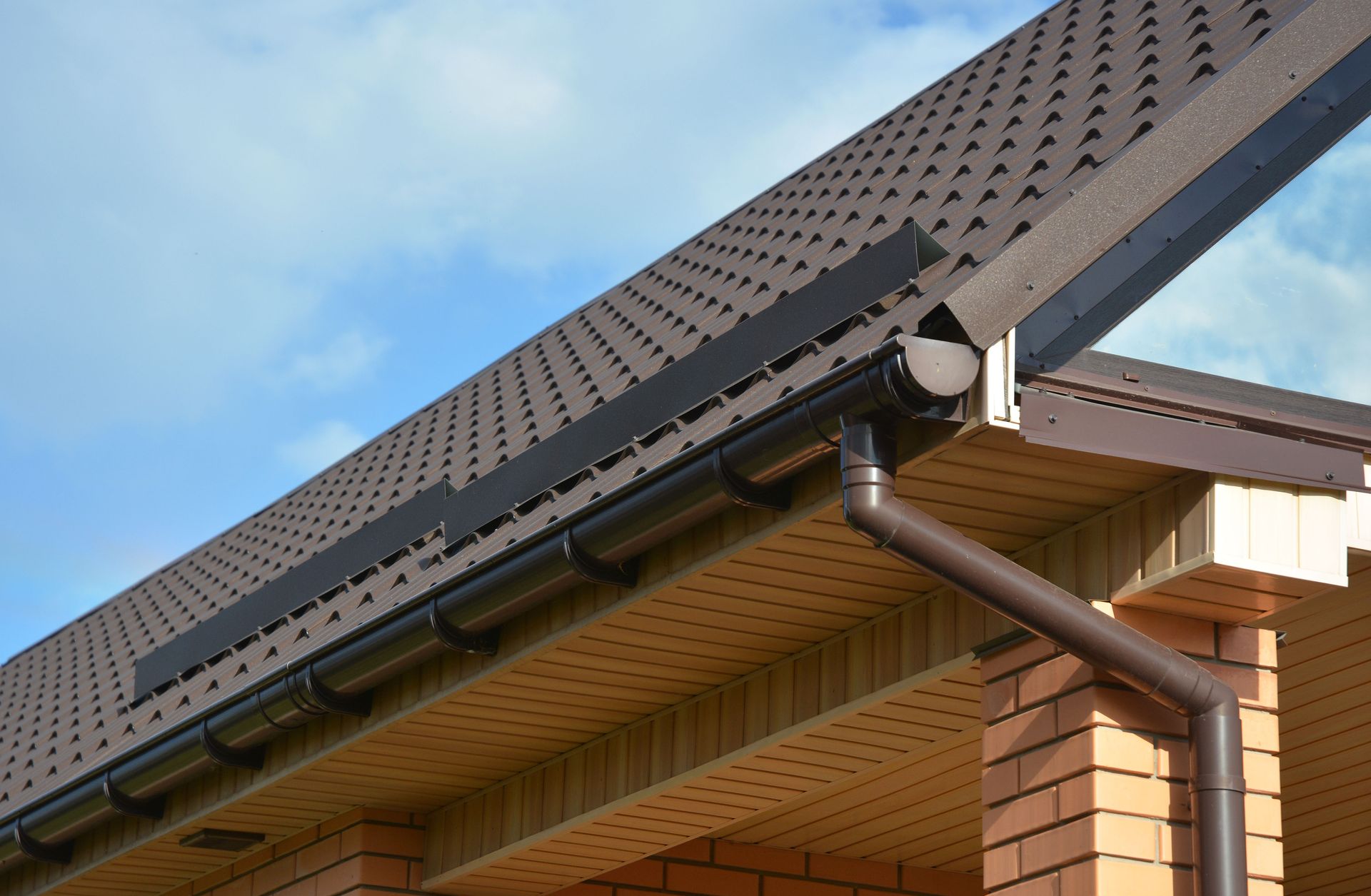
Gutters collect rainwater as it runs from the roof and direct it through downspouts and away from the home's foundation. This controlled drainage helps prevent water from pooling along the roofline or saturating the soil around the property. When gutters are damaged, clogged, or improperly positioned, water can begin affecting areas that were never designed to handle constant moisture. Gutter materials also vary, with aluminum, vinyl, steel, and copper among the most common choices. Aluminum is widely used because it offers durability without the weight of some other materials. According to HomeGuide, properly maintained aluminum gutters can typically last 20 to 25 years, making routine maintenance an important factor in getting the most from the system.
How Neglected Gutters Can Affect the Roof
Clogged gutters can cause rainwater to overflow along the roof's edge instead of flowing toward the downspouts. Continued exposure to standing or overflowing water can contribute to deterioration around the roofline, fascia, and soffits. In some cases, moisture can eventually find its way beneath roofing materials and contribute to leaks.
Poor drainage can also become especially problematic during freezing weather. When water remains trapped in or around gutters, repeated freezing and thawing can place additional stress on the gutter system and nearby roofing materials. Excess debris and standing water can also add unnecessary weight to gutters. Over time, this may contribute to sagging, separation, or damage along the roof edge. Moisture can gradually affect roofing materials and wood components before obvious signs appear inside the home. A local roofing service can evaluate areas around the roofline for signs of moisture intrusion and determine whether additional repairs are necessary.
How Gutters Protect the Foundation and Basement
The benefits of functioning gutters extend well beyond the roof. When downspouts do not move water far enough away from the home, runoff can collect around the foundation. Repeated exposure to excessive moisture can contribute to soil movement, cracks, basement leaks, and other concerns. Soil erosion is another potential problem. Heavy runoff can wash soil away from the foundation and alter the grading around the property. This can make drainage problems worse and potentially allow even more water to collect near the home's lower levels.
Basements are particularly vulnerable when water is consistently directed toward the foundation. Moisture entering through foundation cracks or other weak points can damage belongings and building materials while contributing to an environment where mold can develop. Proper gutter maintenance helps reduce these risks by keeping rainwater moving away from vulnerable areas.
Foundation repairs can also become considerably more expensive than routine gutter maintenance. Addressing drainage concerns early can therefore help protect both the structural integrity and long-term value of a property. A local roofing service can evaluate gutters and related drainage components when homeowners notice recurring water problems.
How Gutters Prevent Landscape and Exterior Damage
Gutter overflow can affect more than the home's structure. Water falling directly from clogged or damaged gutters can wash away mulch, erode soil, flood planting areas, and damage landscaping near the foundation. Over time, repeated runoff can create difficult-to-correct drainage patterns.
Properly functioning downspouts help establish controlled drainage paths around the property. This can reduce excessive water accumulation and help protect landscaping from repeated flooding. Effective water management can also reduce staining and moisture-related deterioration along exterior walls and other surfaces.
Gutters can contribute to a home's appearance as well. Sagging sections, visible debris, rust, and water stains can make a property look poorly maintained. Keeping the drainage system in good condition supports both the functional protection and appearance of the home. A well-maintained drainage system can also help preserve exterior materials. Siding, trim, doors, windows, and other components can deteriorate when repeatedly exposed to uncontrolled runoff. Having a local roofing service assess drainage concerns can help homeowners determine whether improvements are needed.
When Professional Gutter Service Is Important
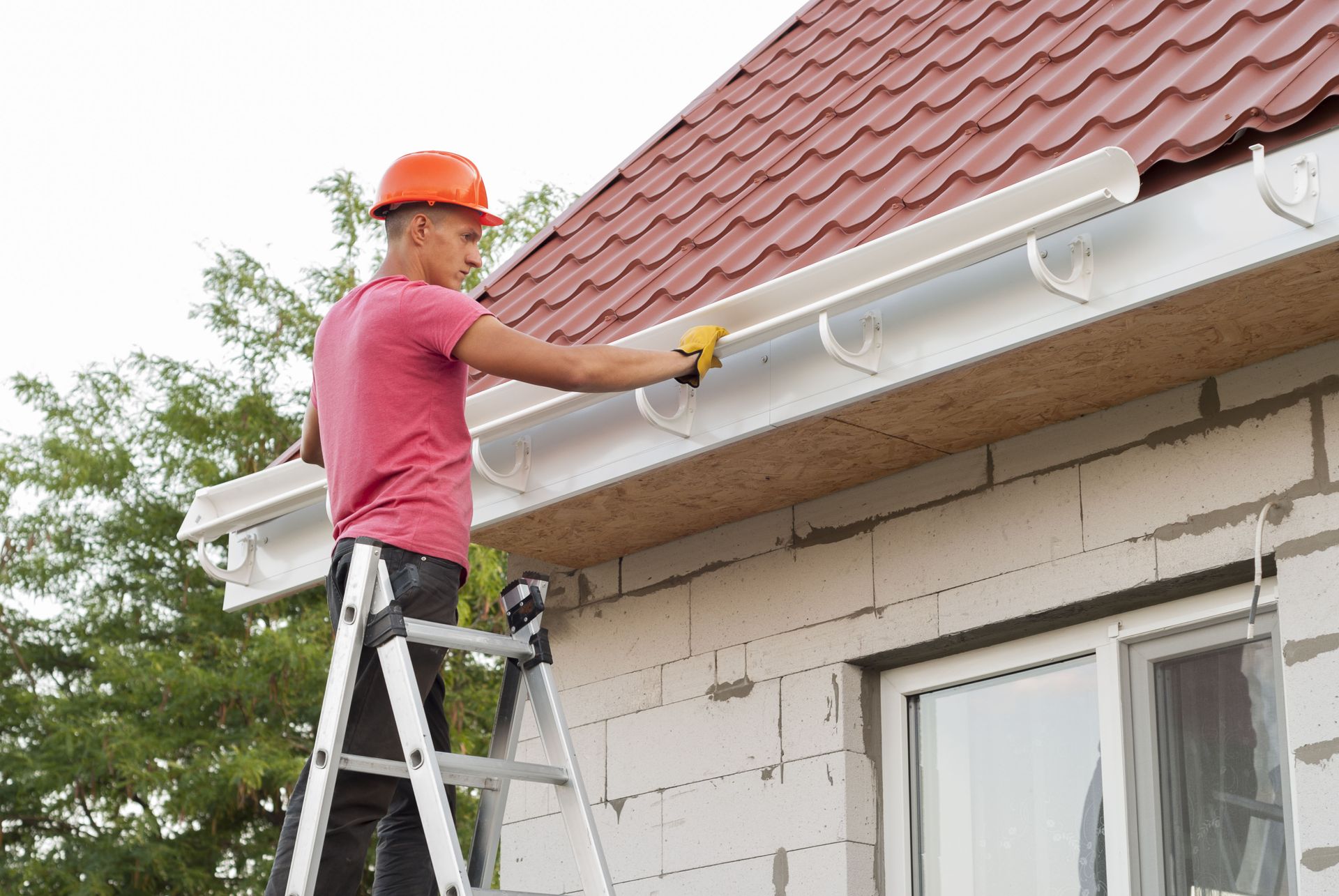
Routine professional inspections can identify issues that may otherwise remain unnoticed. A qualified contractor can look for loose connections, damaged sections, sagging areas, poor drainage, leaks, and other conditions that could eventually affect the roof or exterior. Professional attention is particularly useful when gutter problems repeatedly return.
Gutter guards may also help reduce the amount of leaves and other debris entering a gutter system. Their effectiveness depends on the type of system, surrounding trees, weather conditions, and installation quality. Professional evaluation can help determine whether gutter guards are appropriate for a particular property.
There are situations where replacement makes more sense than continued repairs. Persistent leaks, extensive rust, cracks, sagging, or repeated separation can indicate that a gutter system has reached the end of its useful life. A professional can compare repair and replacement options based on the property's drainage needs.
Professional service can also be useful following severe weather. Heavy rain, strong winds, and falling branches can damage gutters or alter their positioning, creating drainage problems that may not be obvious from the ground. Scheduling an assessment with a local roofing service after significant storm activity can help identify damage before the next major rainfall.
How to Choose the Right Gutter Solution
Different homes require different drainage solutions. Climate, roof design, landscaping, property size, and rainfall can all influence which gutter configuration works best. Seamless gutters, for example, have fewer joints than sectional systems, which can reduce potential leak points.
Material selection is another consideration. Aluminum remains a popular option, while steel, copper, and other materials provide different combinations of durability, appearance, and cost. The right choice should account for both immediate needs and long-term maintenance expectations.
Gutter systems may also be incorporated into broader water-management strategies. Some properties benefit from improved downspout placement, drainage extensions, or other methods of directing runoff away from the foundation. A local roofing service can help homeowners understand which improvements make sense for their particular roof and property.
The home's roof design should also influence gutter decisions. Larger roof surfaces may collect substantial amounts of rainwater, requiring drainage components capable of handling heavier runoff. A professional assessment can help ensure that the gutter system is appropriate for the property's roofing configuration.
When Your Gutter System Needs Attention
Several warning signs can indicate that gutters are no longer handling water effectively. Overflow during rain, sagging sections, visible cracks, rust, separated joints, and water pooling near the foundation should all receive attention. Water stains around the roofline or exterior walls can also indicate drainage problems.
Homeowners should also pay attention to changes that appear after major storms. A gutter that previously handled normal rainfall may begin overflowing if it has developed a blockage, shifted position, or sustained storm damage. Addressing these changes promptly can help prevent a small drainage issue from becoming a larger roofing or structural problem. Damp areas near exterior walls, unexplained water stains, peeling paint, or moisture around basement windows can sometimes point to drainage problems outside. Having a local roofing service investigate the exterior when these symptoms occur can help identify the source before the damage spreads.