June 11, 2026
The roofing industry is positioned for a significant uptick in growth over the coming years. Factors such as technological advancements, a growing demand for eco-friendly solutions, and favorable economic conditions are key drivers of this trend. Stakeholders in this sector are investing heavily to prepare for anticipated opportunities, making it an exciting time for roofing companies globally.
The global roofing market is not only expanding but also undergoing a substantial transformation. As new roofing technologies gain traction and eco-consciousness continues to rise, companies are adapting to new industry standards. According to This Old House, the global roofing market is projected to reach $156 billion by 2030, seeing a 4.3% annual increase, according to a 2021 industry forecast.
Technological Advancements in Roofing
Emergence of Smart Roofing Materials
The development of smart roofing materials has revolutionized the roofing industry. These materials are engineered to adapt to environmental changes, improving energy efficiency and reducing maintenance costs. For instance, thermochromic materials can change their properties based on temperature fluctuations, which optimizes indoor climate control. Roofing companies are investing in research and development to improve these innovations continuously. Such advancements cater to consumer demands for smarter, long-lasting roofing solutions.
Integration of Solar Technology
Solar technology is no longer just an auxiliary component but a central aspect of modern roofing projects. The integration of solar panels with roofing materials is transforming how homes and businesses approach energy consumption. This shift aligns with global movements toward more sustainable energy sources. For roofing companies, incorporating solar technology represents a significant opportunity to tap into the growing clean energy market. Homeowners and businesses alike are attracted to solar solutions for their long-term cost benefits.
The Role of Drones in Inspection and Maintenance
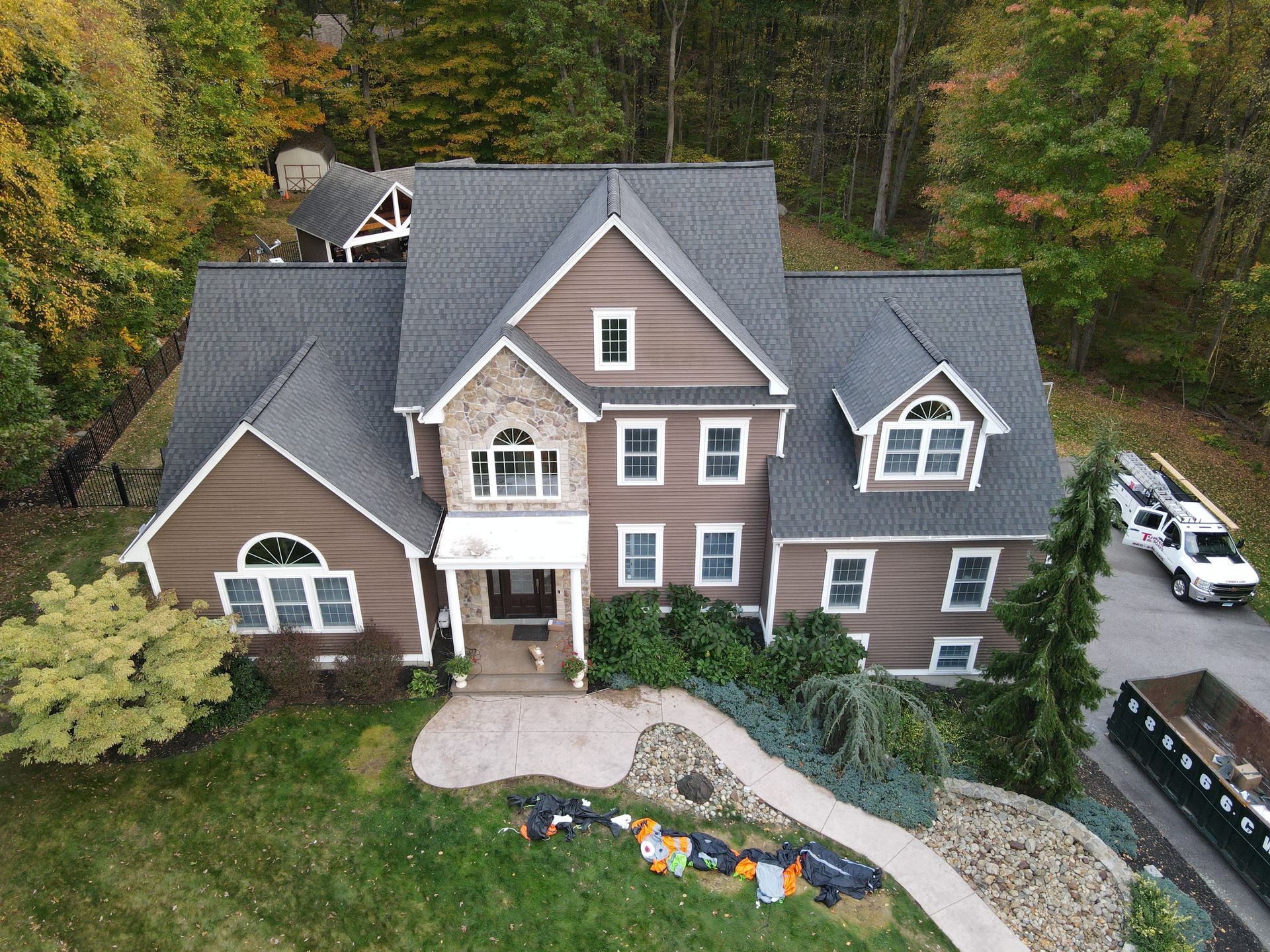
Drones have become indispensable tools for modern roofing companies, particularly in inspection and maintenance tasks. Their ability to provide detailed aerial views of roofs reduces the need for scaffolding and manual inspections, thus enhancing safety and efficiency. Drones can quickly identify problem areas, reducing the time and labor required to diagnose issues. By employing drones, roofing companies can better allocate resources, leading to faster project turnaround times. This technological edge provides a distinct advantage over companies still reliant on traditional methods.
Use of AI and Machine Learning for Predictive Maintenance
Artificial Intelligence (AI) and Machine Learning (ML) are reshaping predictive maintenance practices in the roofing industry. These technologies analyze vast amounts of data to identify patterns and predict potential issues before they escalate. This foresight allows for proactive maintenance, reducing long-term repair costs and enhancing customer satisfaction. Roofing companies are investing in these technologies to deliver more accurate and efficient service offerings. The integration of AI-driven predictive maintenance enhances the overall customer experience by ensuring continuous protection against unforeseen damage.
Increasing Demand for Eco-Friendly Solutions
Growth of Sustainable Building Practices
The contemporary demand for sustainable building practices is unprecedented and is a major catalyst for growth in the roofing industry. As environmental concerns outweigh conventional practices, industry players are shifting towards eco-friendly construction methods. This shift aligns with global sustainability initiatives aimed at reducing carbon emissions and increasing building efficiency. Roofing companies are here embracing sustainable materials like recycled metal and energy-efficient roofing products. Policies and incentives from governments around the world further encourage sustainable practices.
Popularity of Green Roofs
Green roofs have emerged as both an aesthetic and functional revolution in roofing designs. They provide numerous benefits, such as improved air quality, temperature regulation, and stormwater management. These roofs feature vegetation that offers insulation benefits, thereby reducing energy costs associated with temperature control. In urban settings, green roofs are especially beneficial, as they contribute to biodiversity and reduce the heat island effect. As awareness of these advantages grows, the demand for green roofs continues to rise, making them a staple in sustainable development projects.
Consumer Shift Towards Energy-Efficiency
As utility costs rise, consumers are more actively seeking energy-efficient solutions, particularly in home improvement and construction sectors. Roofs play a significant role in energy consumption by affecting heating and cooling needs. Energy-efficient roofing solutions provide barriers against heat transfer, reducing the need for artificial climate control. Homeowners interested in lowering energy costs and reducing carbon footprints are opting for roofing systems that offer better insulation and renewable energy integration. This consumer shift is significantly influencing market dynamics, encouraging roofing companies to adapt their offerings.
Regulatory Support for Eco-Conscious Building
The role of regulatory frameworks in promoting eco-conscious building practices cannot be overstated. Governments at various levels are implementing regulations that require or incentivize green construction methods, providing a fertile ground for roofing companies focused on sustainability. These policies often include tax credits, rebates, and other financial incentives for homes and businesses that adhere to environmental standards. Roofing companies that demonstrate compliance with these regulations not only benefit financially but also gain a competitive advantage. Such legislation is correspondingly benefiting consumers who receive direct cost benefits from choosing compliant solutions.
Economic Factors Driving Market Expansion
Trend of Urbanization and New Construction
Urbanization is catalyzing rapid market expansion in the roofing industry as more people move to urban areas, necessitating new construction and infrastructure. This trend is especially pronounced in emerging markets that are witnessing significant population growth and urban development. Cities are expanding both vertically and horizontally, leading to increased demand for residential, commercial, and industrial roofing solutions. Furthermore, government initiatives aimed at providing affordable housing exacerbate this demand, creating opportunities for roofing companies to capitalize on vast new projects. These developments are reshaping urban skylines and elevating the importance of efficient and durable roofing systems.
Increasing Investment in Infrastructure Projects
Infrastructure investment is increasing on a global scale, supported by international financial institutions and national budgets. This investment is critical for the development of new projects such as schools, hospitals, and transportation systems, all of which require a roofing component. As these structures serve as the backbone of communities, the importance of durable and efficient roofing cannot be understated. For roofing companies, infrastructure projects represent a significant portion of the market, enabling them to secure revenue streams that span multiple years. Companies are therefore focusing on enhancing their capabilities to bid competitively and efficiently execute large-scale projects.
Growing Housing Market and Renovations
In many regions, the housing market is witnessing growth, fueled in part by low interest rates and strong housing demand. As a result, both new builds and renovations are on the rise, increasing the need for roofing services. Renovations, in particular, offer endless opportunities for roofing companies to tap into a market of homeowners wanting to update their existing properties. These projects vary widely in scope and complexity, from simple repairs to extensive reroofing services. By catering to both new constructions and the renovation market, roofing companies can maintain a diverse client base and a consistent revenue stream.
Insurance and Financing Options for Roof Replacements
Insurance and financing options are becoming more prevalent, driving increased demand for roof replacements and repairs. These financial instruments enable homeowners to undertake necessary roofing projects without immediate financial strain, expanding the consumer base for roofing companies. Insurance policies covering storm damage, wear and tear, and unexpected roof issues boost client confidence in pursuing necessary roofing services. Additionally, the availability of various financing options makes large projects more accessible to budget-conscious homeowners. For roofing companies, these mechanisms mean a more diversified clientele, not limited by upfront cost constraints.
The global roofing industry is currently undergoing a period of unprecedented transformation, fueled by the dual forces of high-tech innovation and a robust shift toward environmental sustainability. As smart materials, drone technology, and energy-efficient designs become industry standards, property owners are gaining access to more durable and cost-effective protection than ever before. Ultimately, the market's trajectory toward 2030 suggests that companies embracing these modern advancements will lead the way in securing both a safer built environment and a thriving global economy.
Secure the future of your home with the industry's latest innovations by contacting Turner & Sons Roofing & Siding for your next expert installation or replacement.