June 2, 2026
A roofing system is designed to act as the first line of defense against environmental exposure, structural stress, and long-term wear. Despite its durability, it is not immune to damage, especially when routine maintenance is delayed or warning signs are overlooked. Many homeowners only recognize roofing issues once visible symptoms appear inside the home, such as leaks or staining, by which point the underlying problem may already be extensive.
Roofing professionals routinely encounter a range of hazards that develop gradually but can quickly escalate into costly repairs. In fact, according to HomeAdvisor, around 40% of homeowners end up hiring professionals for urgent roof repair situations each year, illustrating how frequently these hazards evolve into emergencies. Understanding these risks early allows homeowners to take proactive steps and reach out to a roofing service before minor concerns turn into major structural problems.
1. Pervasive Water Intrusion and Hidden Leak Damage
Slow Leaks That Spread Beyond the Surface
Water intrusion is one of the most common and deceptive roofing hazards. A small leak rarely stays isolated. Instead, moisture travels along beams, insulation, and interior surfaces, often appearing far from its original entry point. This makes detection difficult without a professional assessment.
Over time, even minimal water exposure can degrade insulation, reduce energy efficiency, and create ideal conditions for mold growth. Homeowners may initially notice discoloration on ceilings or walls, but by that stage, the damage has typically extended deeper into the structure. Roofing services are critical in tracing the exact origin of the leak, which is often concealed beneath shingles or flashing components. Early intervention can significantly reduce the scope of repairs and prevent secondary issues from developing within hidden areas of the home.
Damaged Flashing and Seal Failures
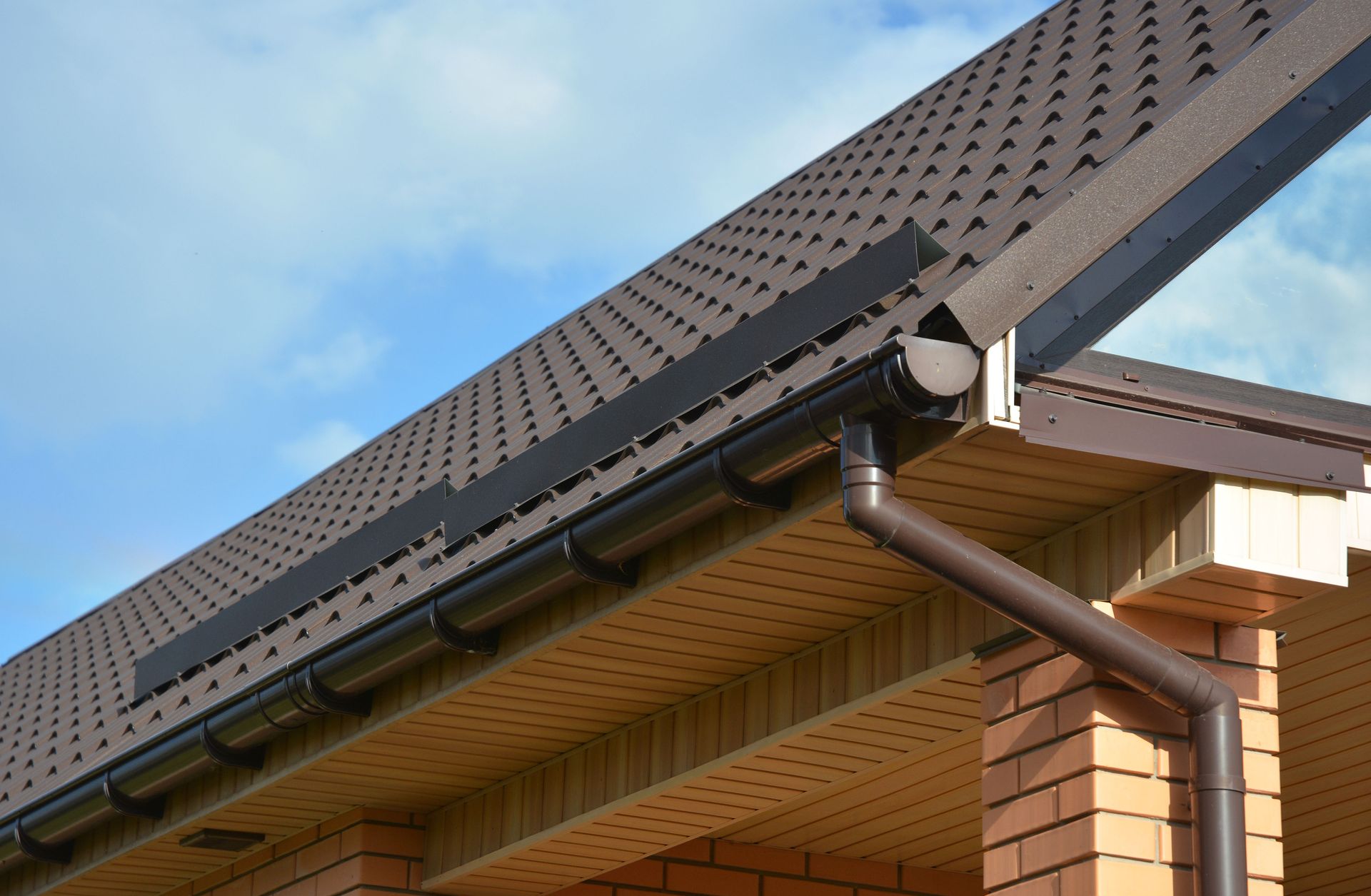
Flashing serves as a protective barrier around roof penetrations such as chimneys, vents, and skylights. When flashing becomes loose, corroded, or improperly sealed, it creates vulnerable entry points for water. Sealants can also degrade over time due to temperature fluctuations and prolonged exposure to the elements.
Once these protective layers fail, water can seep into areas that are not designed to handle moisture. This can compromise both structural wood and interior finishes. Professional roofing services ensure that flashing is correctly installed and maintained, preventing water from infiltrating critical areas of the roof. Routine inspections often catch these failures before they become visible from inside the home.
Ice Dams and Seasonal Water Backup
In colder climates, ice dams present a seasonal hazard that can lead to significant water intrusion. These formations occur when heat escapes through the roof, melting snow that then refreezes at the edges. The resulting barrier prevents proper drainage, causing water to back up beneath shingles.
This trapped moisture can penetrate the roofing system and enter the home. Without timely intervention, ice dams can damage gutters, shingles, and insulation simultaneously. Roofing services address both the immediate damage and the underlying causes, such as inadequate insulation or ventilation. Preventative measures can also be implemented to reduce the likelihood of recurring ice dam formation during winter months.
2. Structural Deterioration and Aging Materials
Shingle Wear and Granule Loss
Shingles are constantly exposed to sunlight, wind, and precipitation, all of which contribute to gradual deterioration. As shingles age, they may begin to crack, curl, or lose protective granules. These granules are essential for shielding the roof from ultraviolet radiation and improving water resistance.
When granule loss becomes significant, the underlying material is left exposed and vulnerable to rapid degradation. This accelerates the aging process and increases the likelihood of leaks. Regular inspections by roofing services can identify early signs of wear, allowing for targeted repairs instead of full replacement. Maintaining shingle integrity is one of the most effective ways to extend the overall lifespan of a roof.
Rotting Decking and Structural Weakness
Beneath the visible roofing materials lies the decking, which provides structural support. When moisture penetrates the outer layers, it can reach the decking and cause wood rot. This weakens the roof's ability to support weight, including snow accumulation and maintenance traffic.
Rotting decking often goes unnoticed until it becomes severe enough to cause sagging or instability. At this stage, repairs become more complex and costly. Roofing services play a key role in detecting and replacing compromised decking before it affects the overall integrity of the structure. Addressing these issues early helps avoid more extensive structural repairs that could impact other parts of the home.
Aging Roof Systems Beyond Their Lifespan
Most roofing systems are designed to last around 20 years, depending on materials and environmental conditions. As roofs approach or exceed this lifespan, they become more susceptible to a wide range of hazards, including leaks, material failure, and structural issues.
An aging roof may show visible signs such as discoloration, uneven surfaces, or widespread shingle damage. However, some issues remain hidden until they cause noticeable problems inside the home. Experienced roofing services can evaluate the condition of an aging roof and recommend whether repairs or replacement are the most effective solution. Proactive replacement planning can help homeowners avoid emergencies and better manage long-term maintenance costs.
3. Environmental and External Damage Factors
Storm Impact and Wind Damage
Severe weather events are a leading cause of sudden roof damage. High winds can lift or remove shingles, exposing the underlying structure to the elements. Flying debris can also cause punctures or impact damage, which may not be immediately visible from the ground.
After a storm, it is essential to assess the roof for hidden damage. Even if the roof appears intact, small breaches can allow water to enter and create long-term issues. Roofers provide thorough inspections following storms to ensure that all damage is identified and addressed promptly. Quick response times can make a significant difference in minimizing repair costs and preventing further deterioration.
Debris Accumulation and Drainage Issues
Leaves, branches, and other debris can accumulate on the roof and in gutters over time. This buildup can obstruct proper drainage, causing water to pool on the roof's surface. Standing water increases the risk of leaks and accelerates material deterioration.
Clogged gutters can also lead to water overflowing and seeping into the home's foundation or siding. Regular cleaning and maintenance are essential to prevent these issues. Roofing services often include debris removal and drainage system evaluations to maintain proper water flow. Consistent upkeep helps preserve both the roof and the surrounding structural components.
Moss, Algae, and Organic Growth
Organic growth, such as moss and algae, thrives in damp, shaded areas of the roof. While it may seem like a minor cosmetic issue, it can have serious implications for the roof's longevity. Moss retains moisture against the surface, which can lead to shingle deterioration and water infiltration.
Algae can also cause discoloration and reduce the roof's ability to reflect sunlight, potentially increasing energy costs. Addressing organic growth requires careful removal techniques to avoid damaging the roofing materials. Professional roofing services are equipped to handle these issues safely and effectively. Regular monitoring of shaded areas can help prevent buildup before it spreads across larger sections of the roof.
Roof hazards rarely develop overnight. They are typically the result of gradual wear, environmental exposure, and delayed maintenance. From hidden leaks and structural deterioration to storm damage and organic growth, each hazard presents unique challenges that require professional expertise to resolve. By understanding these common risks, homeowners can take a more proactive approach to roof care. For a reliable roofing service that can help you mitigate these hazards before they escalate, reach out to Turner & Sons Roofing & Siding!